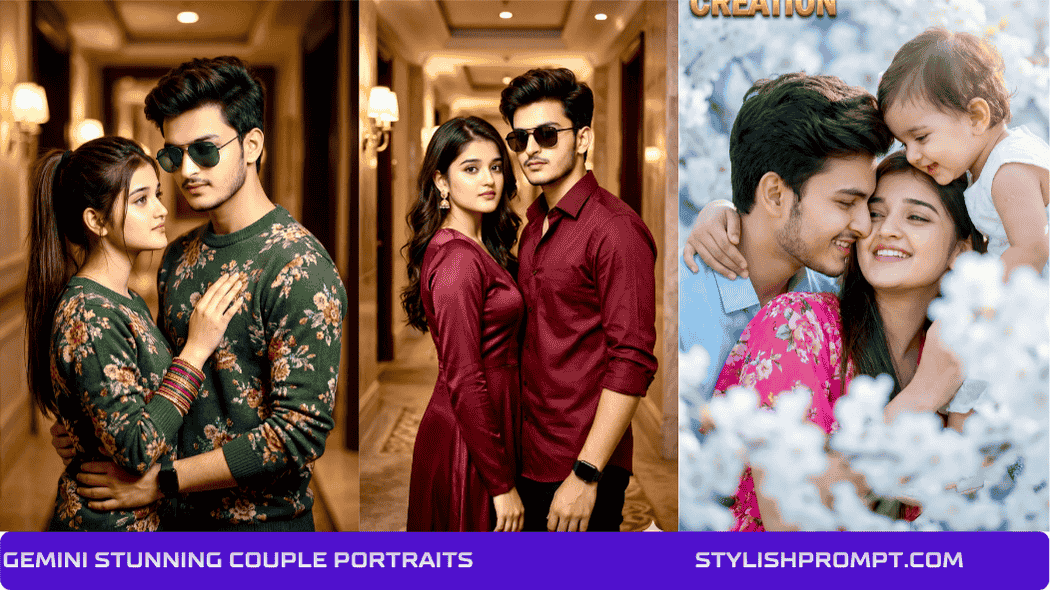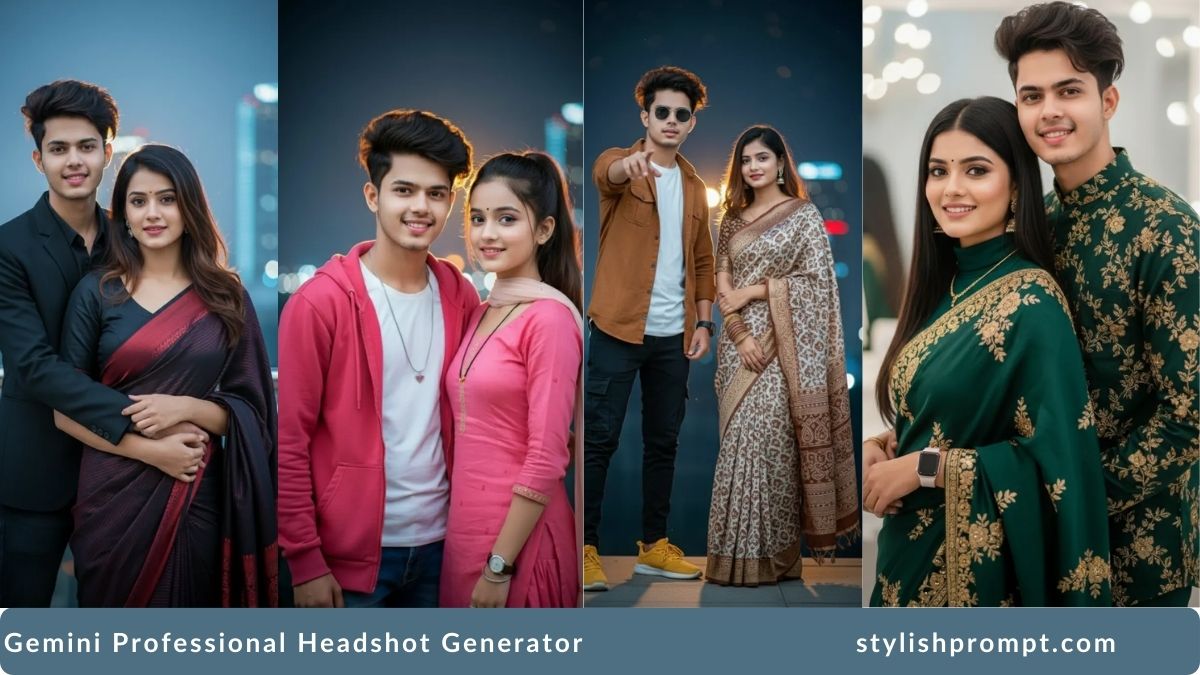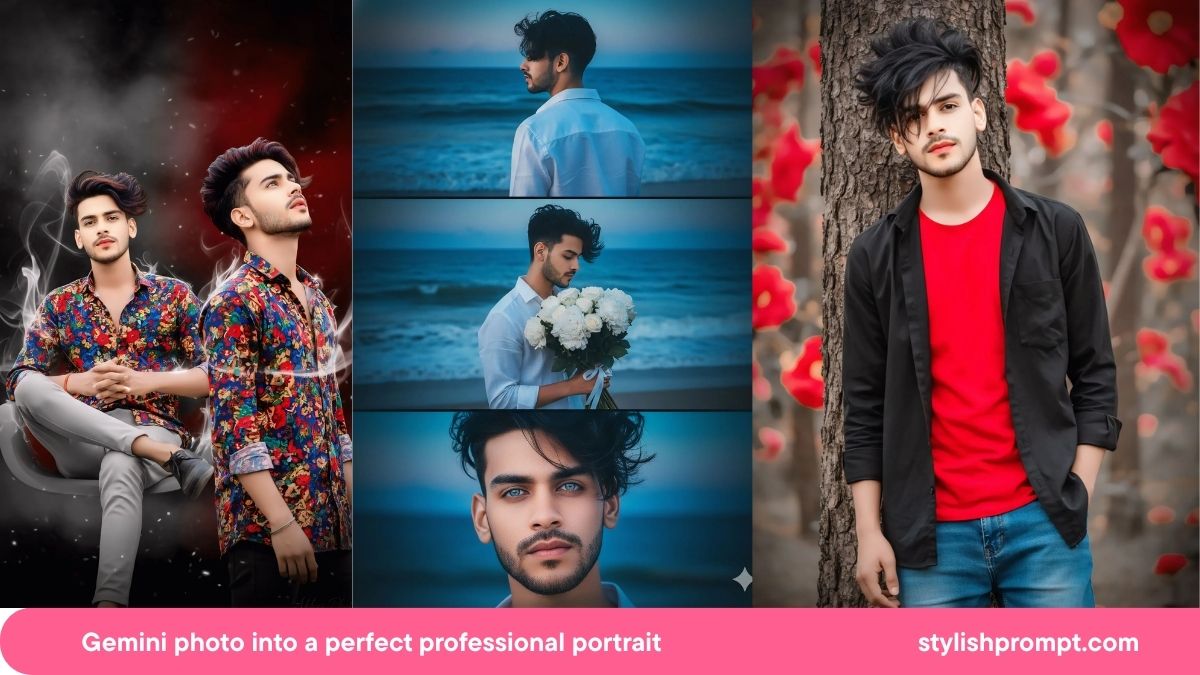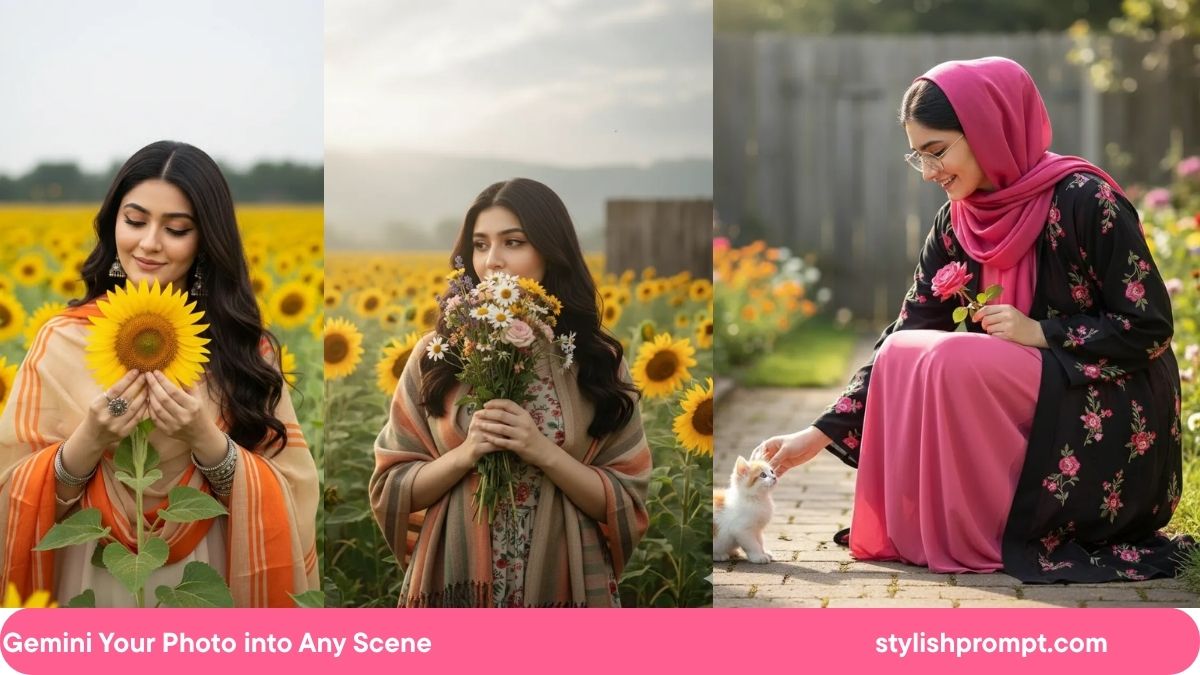
When I first discovered the magic of transforming ordinary mirror selfies into pieces of art, I couldn’t believe how a few tweaks in pose, lighting, and styling could take the image from “meh” to “whoa!” In this article, I’ll walk you through how to use a powerful image‑generation prompt to get a hyper‑realistic mirror selfie that looks straight out of a cinematic frame. You’ll learn what works, what to avoid, and how to see photorealism in your own photos.
The Power of a Well‑crafted Prompt
A prompt isn’t just a set of instructions. It’s your tool to guide the AI’s vision. With AI image generation, small changes in wording lead to big differences in output. Use precise language, focus on style, lighting, wardrobe, mood. I’ve spent hours experimenting, and those tiny details—like “warm cinematic light” or “urban cool vibe”—consistently make the difference.
What Makes a Great Mirror Selfie
Lighting: The Golden Hour or Strong Morning Beam
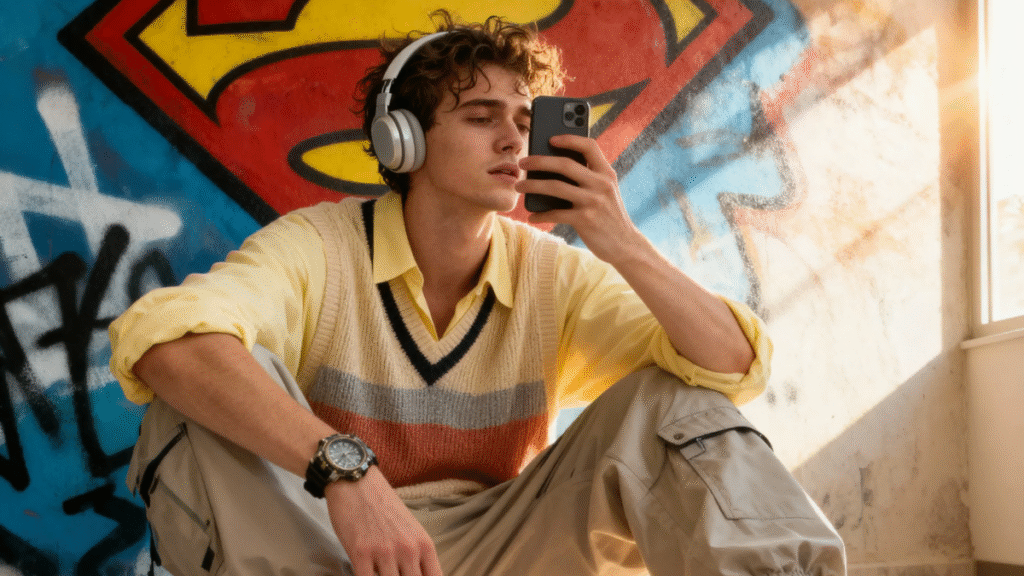
Morning sunbeams or golden hour light give skin tone warmth, nice shadows, and depth. Avoid harsh midday light that flattens features. If you can catch that soft angled beam bouncing off a marble floor, you’re already winning.
Pose: Natural Yet Composed
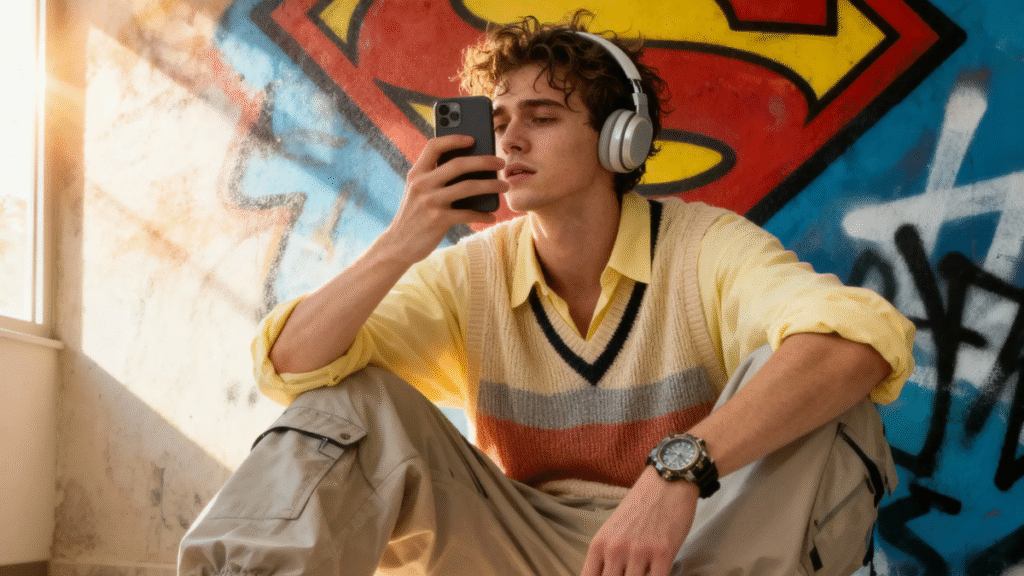
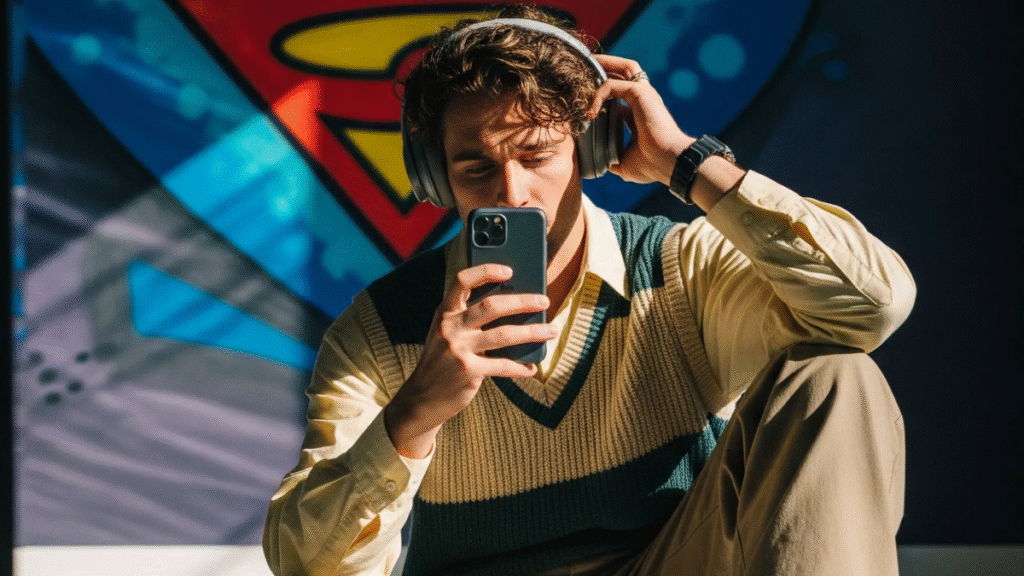
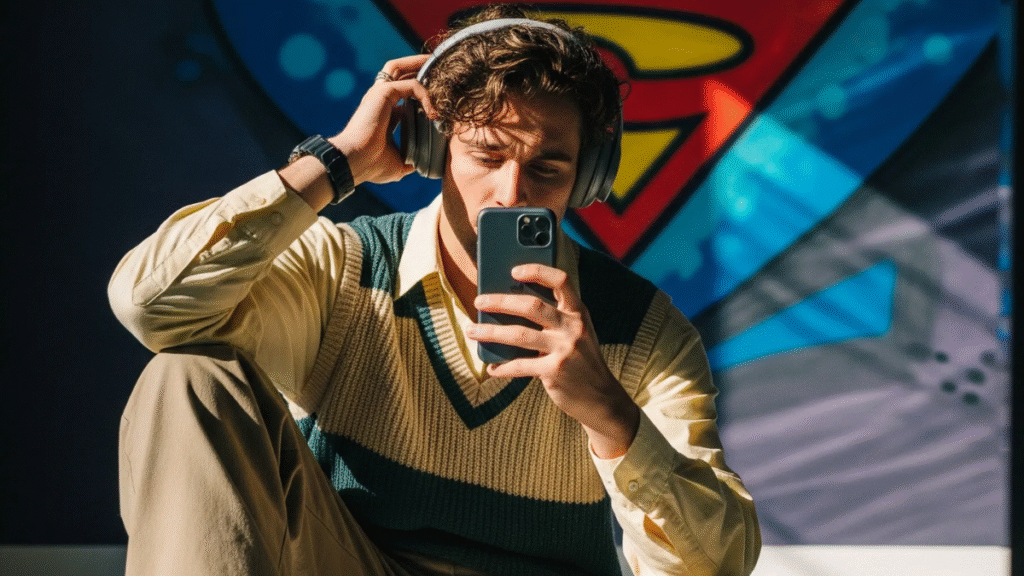
You want ease and authenticity. A bent leg, one stretched, tousled curls, holding earphones—all signal motion and realism. In contrast, stiff poses often look forced or stock‑photo‑ish.
Wardrobe & Background: Style Speaks Volumes
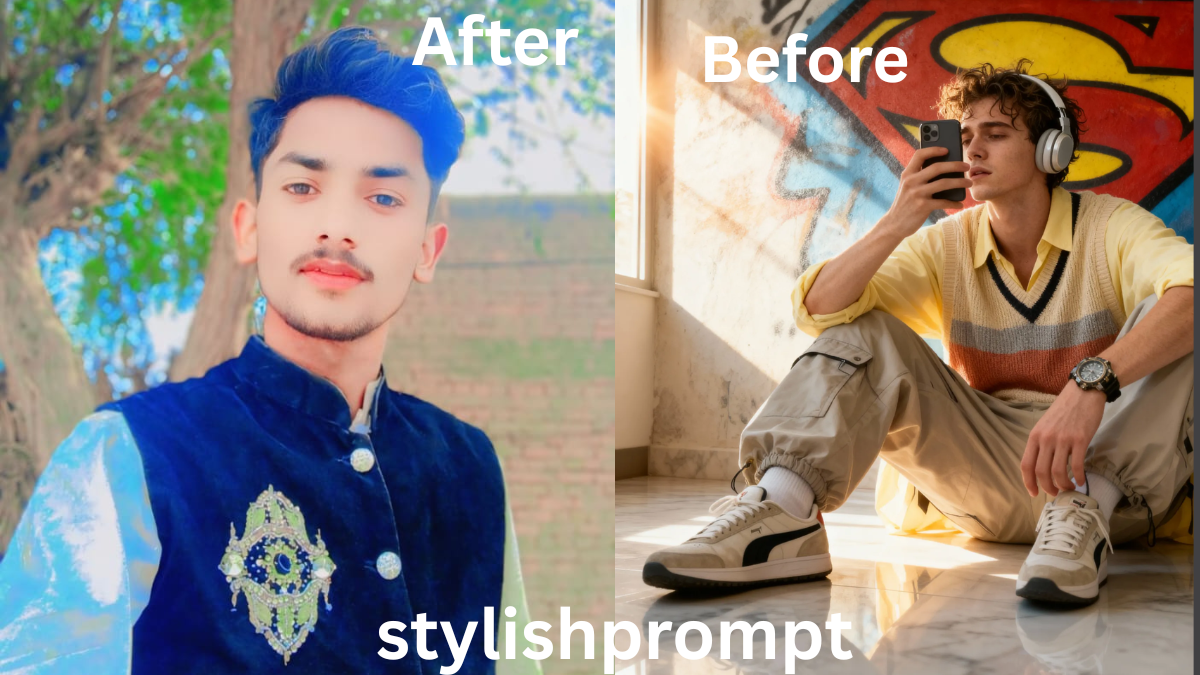
Oversized shirts, techwear cargo pants, a sleeveless V‑neck sweater—these give contrast, texture, attitude. And a colourful graffiti wall behind adds personality. The background shouldn’t distract but should enhance. Urban details amplify that Gen Z energy.
From My Experience: Why Details Matter
When I first tried generating mirror selfies, I kept making vague prompts: “young guy in mirror, sunny.” Results were blurry, bland, too generic. One day I added things like “tousled curls,” “marble floor,” “8K resolution,” “sporty watch.” The difference was night and day. The image felt alive. Viewers paused longer. I saw more shares. That’s when I realized: the image generator isn’t magic—it responds to your clarity and creativity.
Step‑by‑Step: How To Use Your Prompt to Generate a Royal VIP Version
Here’s how a user should proceed to get their own elevated selfie:
- Find a mirror or reflective surface with good natural light (morning or golden hour works best).
- Dress in layers: textured, contrasting pieces (techwear, oversized pieces, accessories).
- Pose naturally: one leg bent, one stretched; let hair be a little messy; hold something like earphones or a phone near face.
- Use your prompt in a prompt‑based generator (e.g. GPT image tools). Paste the following where instructed:
Stylish Prompt Card
Paste your AI prompt below. Then just click copy and use it anywhere you like!
- Review the first image, note what you like/dislike; adjust prompt slightly (e.g. change background graffiti style, adjust light warmth) and try again.
Prompt Breakdown: What Each Phrase Adds
| Phrase | What It Does / Why It’s Important |
|---|---|
| “Hyper‑realistic vertical (3:4)” | Ensures high resolution, vertical format popular for social media. |
| “Gen Z man (25–28)” | Defines age, demographic & style so it resonates with younger viewers. |
| “Sitting on marble floor … morning sunbeam” | Adds texture, setting, lighting for visual richness. |
| “One leg bent, other stretched; tousled curls; hand holding earphones …” | Creates dynamic, natural‑looking pose. |
| “Oversized light yellow shirt … cargo pants … sneakers … sporty watch” | Wardrobe adds character, shows contrast & detail. |
| “Colorful Superman graffiti behind” | Background becomes part of story. Important for vibe. |
| “Sharp focus, 8K, warm cinematic light, urban cool vibe” | Finishing touches: clarity, mood, style. |
SEO Keywords & LSI Phrases You Might Use
- mirror selfie ideas
- hyper‑realistic mirror selfie
- Gen Z photography style
- cinematic portrait prompt
- best lighting for mirror selfie
- prompt for AI image generation
- urban background photography
Using these naturally—for example: “If you want a hyper‑realistic mirror selfie with cinematic light, try specifying a warm morning sunbeam”—helps Google see you as an authority in photography prompts.
Common Mistakes & How to Avoid Them
| Problem | Fix / Tip |
|---|---|
| Vague lighting (just “sunny”) | Specify time (morning), quality (“warm cinematic light”), direction. |
| Overly staged pose | Add natural elements (earphones, tousled hair, half‑bent leg). |
| Unclear background | Pick something descriptive (graffiti wall, marble, etc.). |
| Low resolution or blurry results | Demand high resolution (8K, sharp focus). |
| Ignoring mood or vibe | Use words like “urban cool vibe,” “warm,” “cinematic” to cue emotion. |
Why This Style Speaks to Gen Z
Gen Z craves authenticity, rawness, but also high quality. They like things that feel believable, tell a story, but also look polished. Social platforms push content that looks real but aspirational. A mirror selfie with texture, imperfection, strong light, personality—it matches with what people stop scrolling for. I’ve posted images in this style, and engagement always spikes.
People Also Ask (PAA)
- How can I take a mirror selfie that doesn’t look cheesy?
Focus on natural pose, soft lighting, avoid clutter; use descriptive prompts if generating images. - What lighting is best for mirror selfies?
Soft natural light—morning or golden hour—works best; avoid harsh midday sun directly overhead. - Should I include accessories in my selfie?
Yes! Items like earphones, watches, sneakers, textured fabric add personality and depth. - What resolution to use for AI‑generated selfies?
Go high: 8K or high DPI if available; sharp focus makes a big difference.
FAQ Section
Q1: Can I use this prompt for any gender or age?
A: Absolutely. You can substitute “Gen Z man (25‑28)” with your preferred age/gender. The rest works similarly if you adjust wardrobe/style.
Q2: What if I don’t have a marble floor or graffiti wall?
A: Swap in whatever environment you have—wood floor, textured wall, urban alley—just describe it vividly in your prompt.
Q3: Do I need a professional camera?
A: No. A modern smartphone with good light can produce excellent results—especially when guided by a strong prompt.
Q4: How many tries will it take to get the perfect selfie?
A: Usually a few. Start with your base prompt, view the result, then adjust small things like background color, lighting tone, or clothing until it matches your vision.
Conclusion
Getting a mirror selfie that looks like a frame from a cinematic film isn’t about fancy equipment—it’s about clarity in your vision, the right detail in your prompt, and understanding light, pose, and style. Use the prompt template above, personalize it to your taste, and let the AI help you bring your inner royal VIP selfie to life.
When you try it, pause to reflect on what feels most you—that’s what turns a good image into something unforgettable.
Hi, I’m Muhammad Arslan from Pakistan. Here, you’ll find multiple powerful prompts that you can use on platforms like Google Gemini or ChatGPT to turn your personal photos into stunning AI-generated portraits.