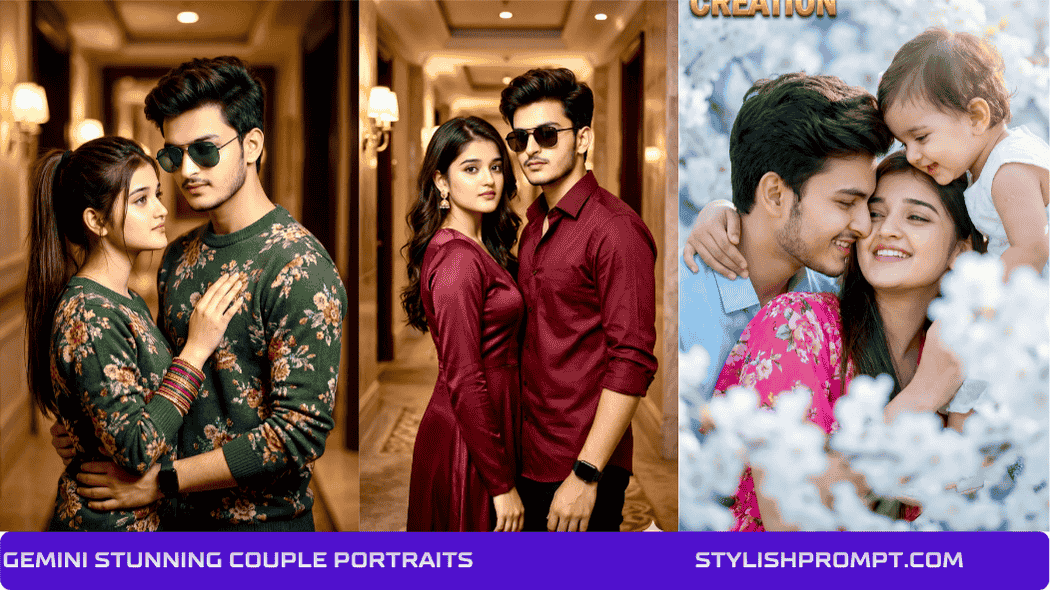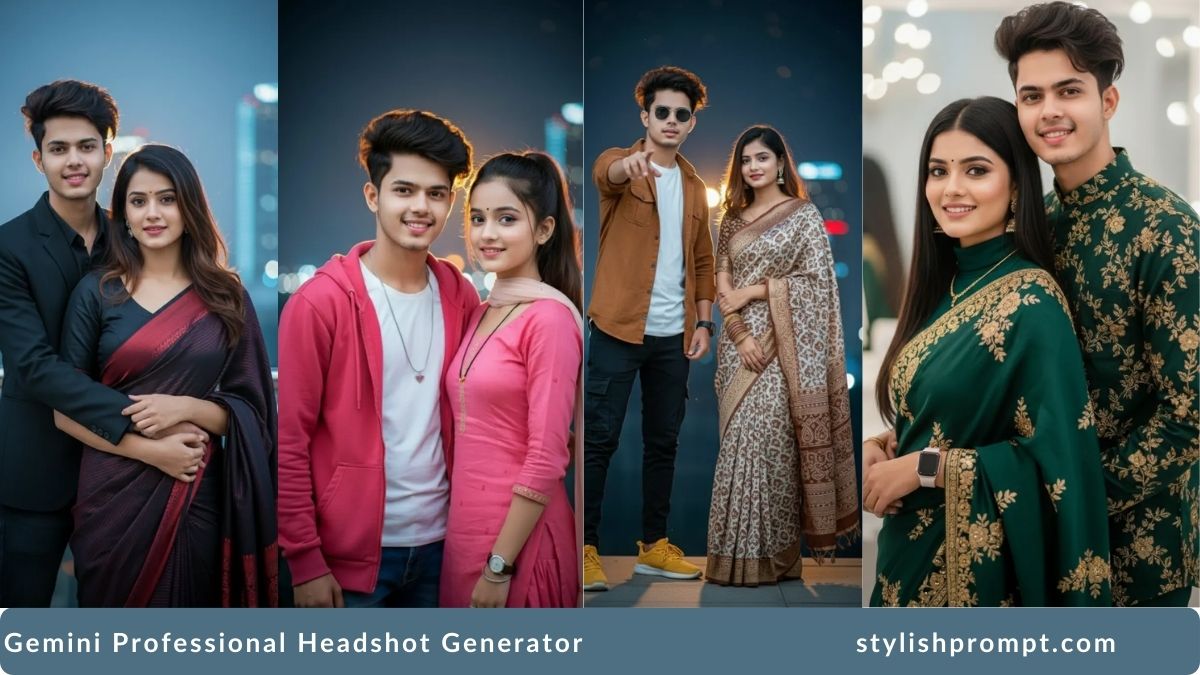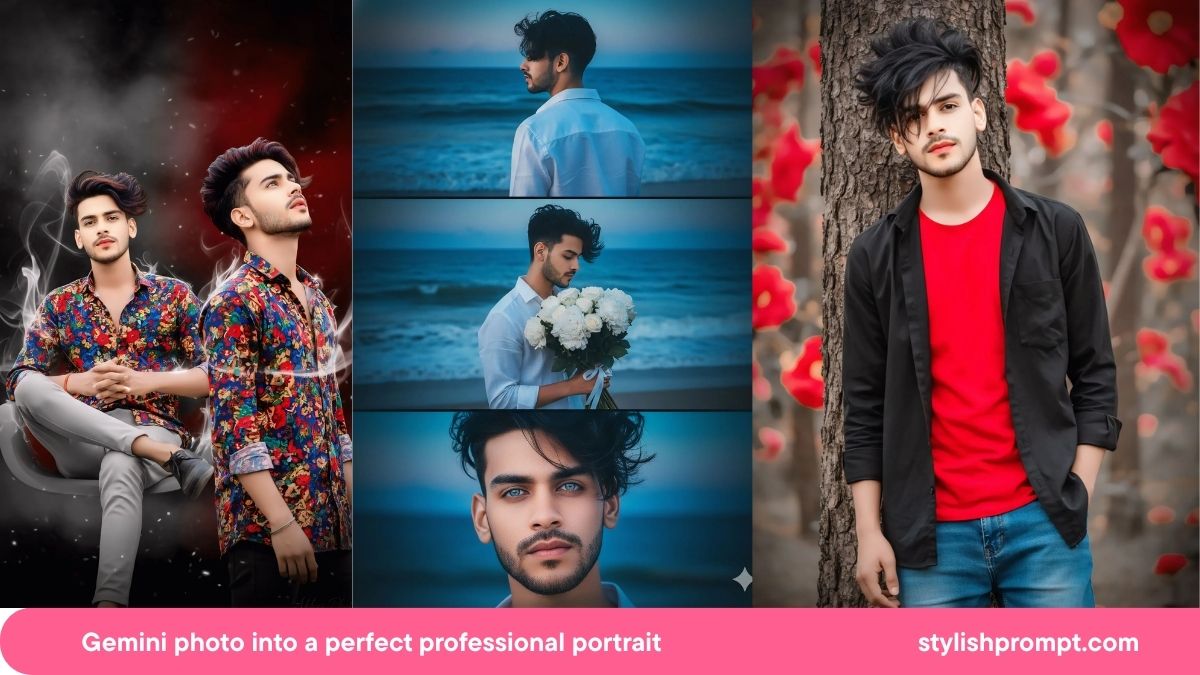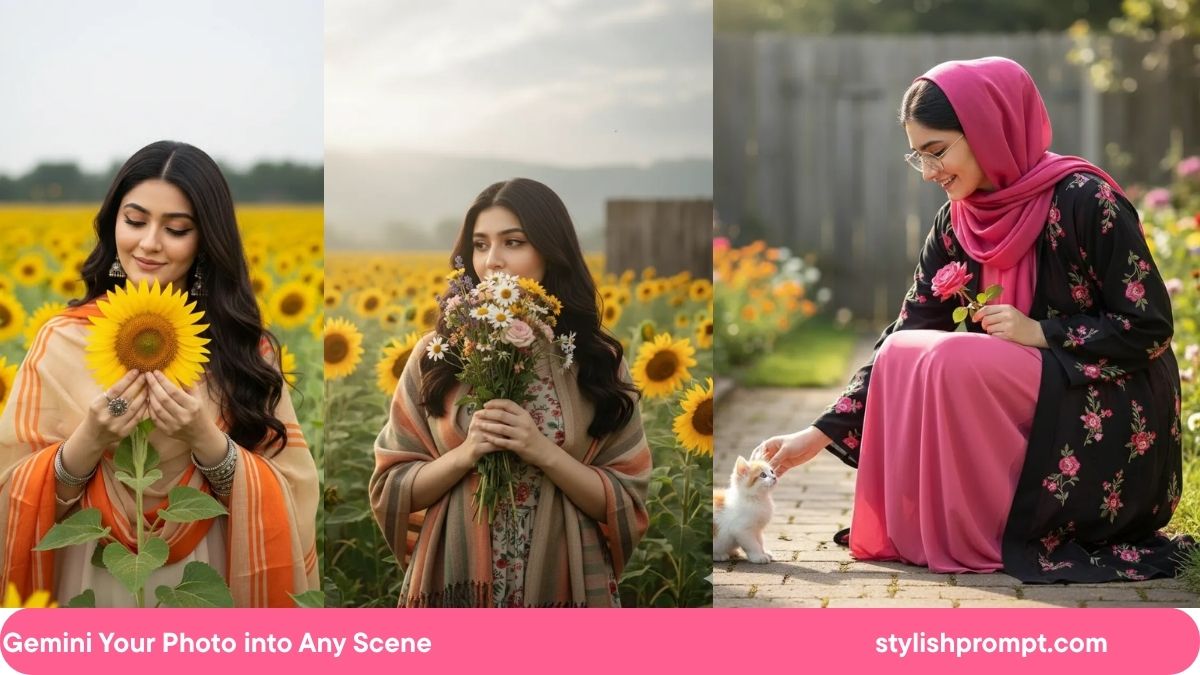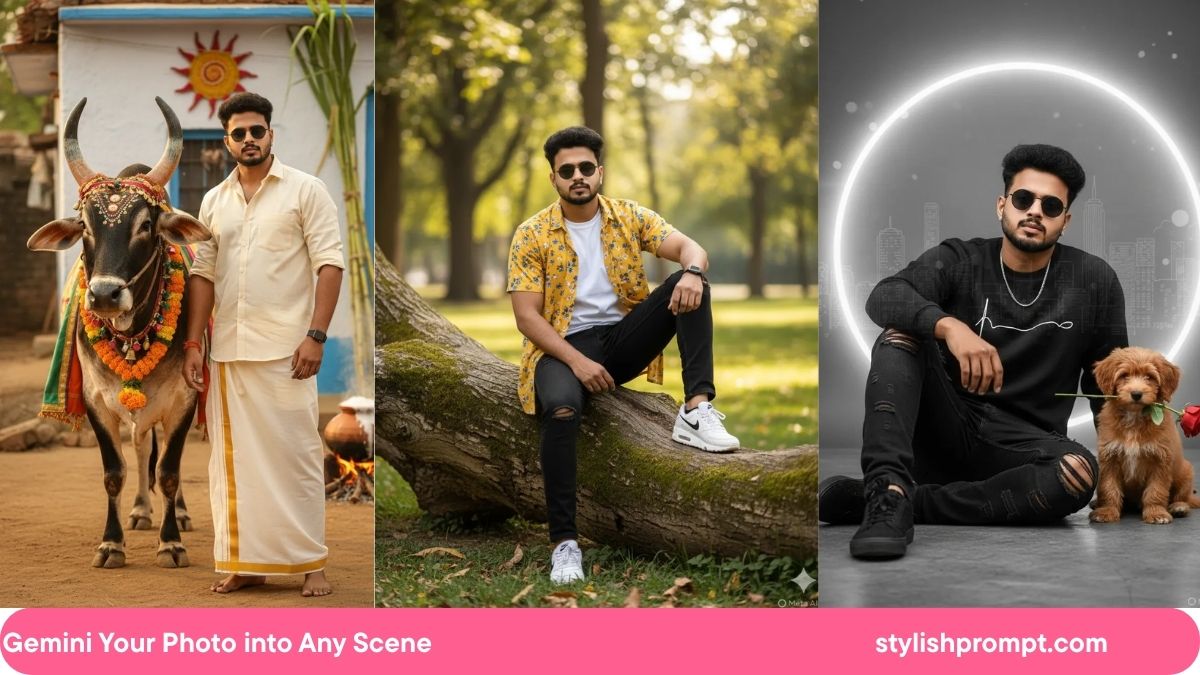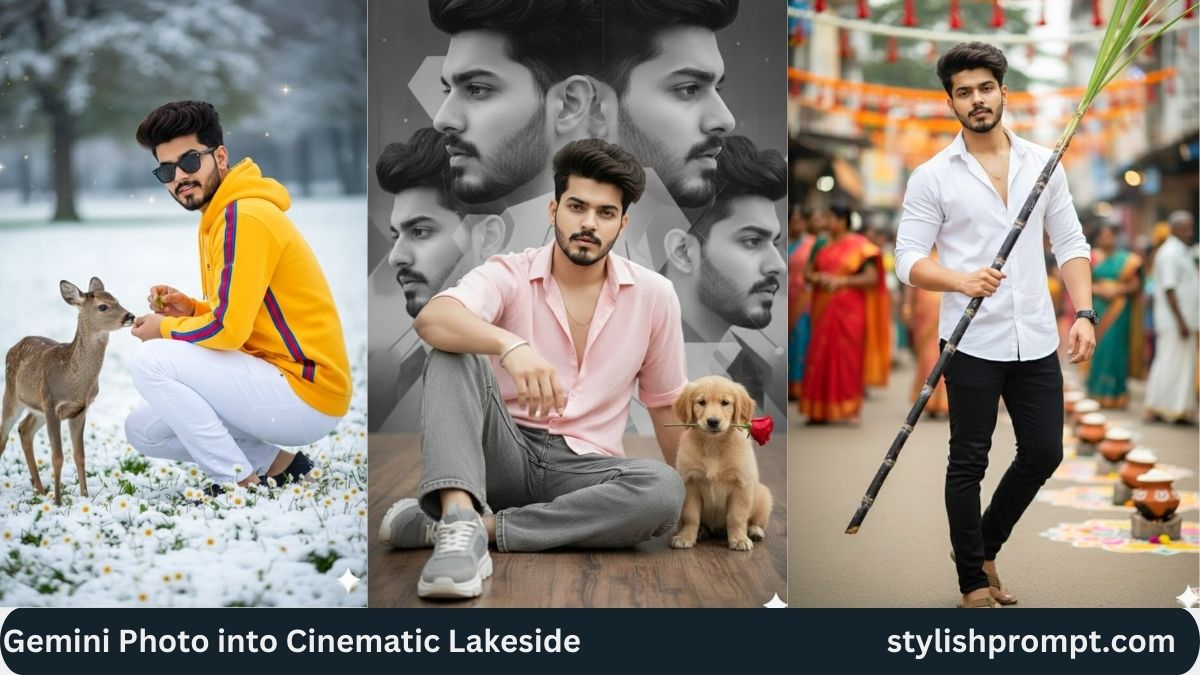
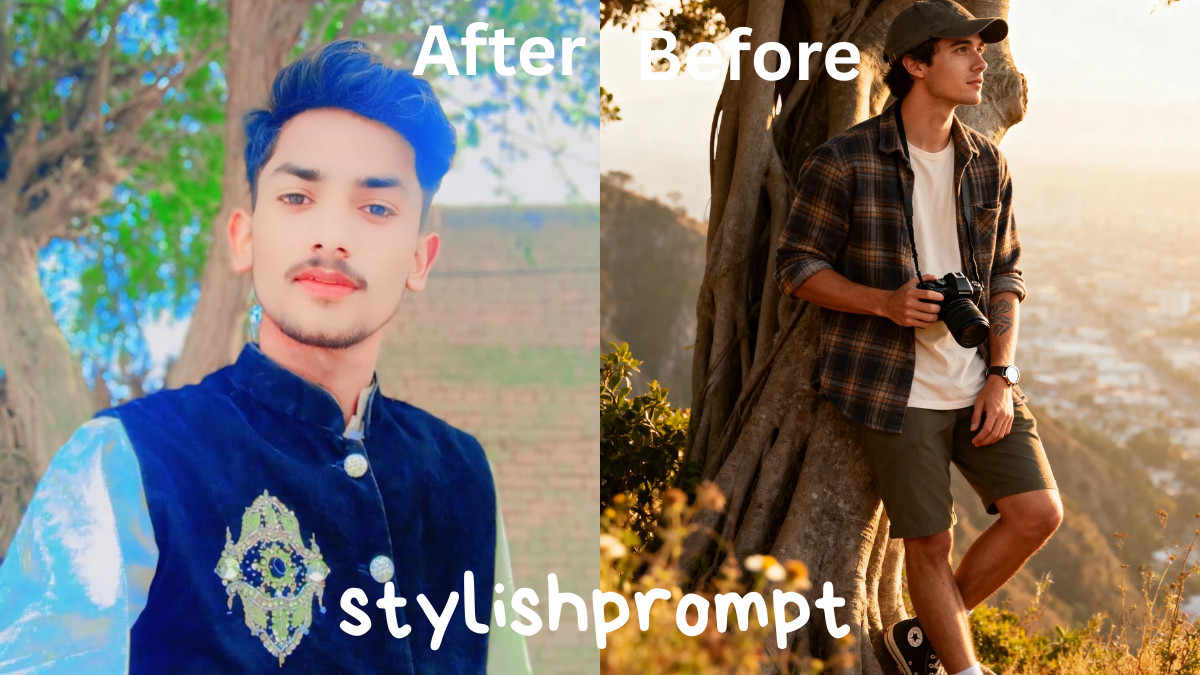
Introduction: Capturing Nature’s Majesty in a Prompt
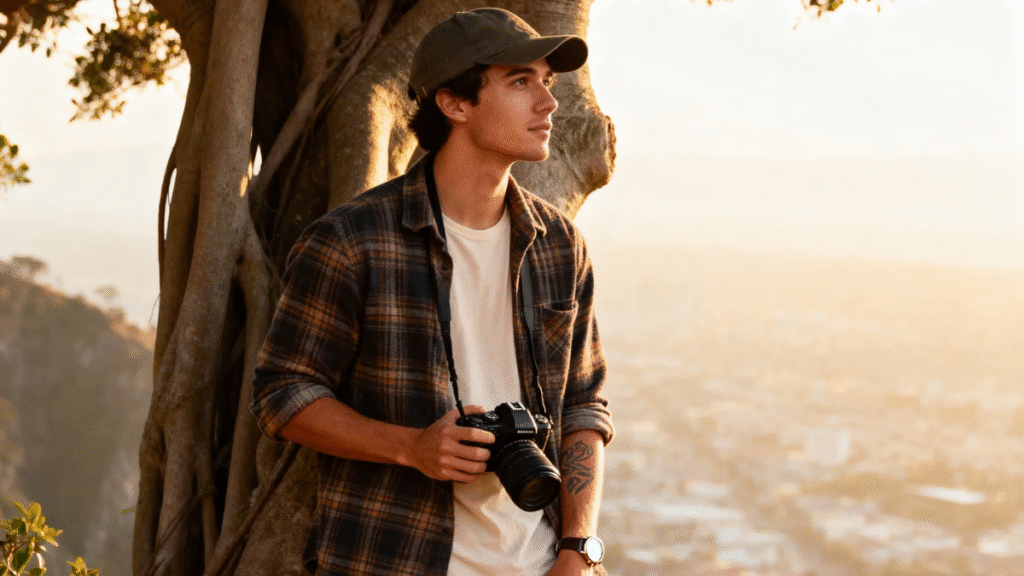
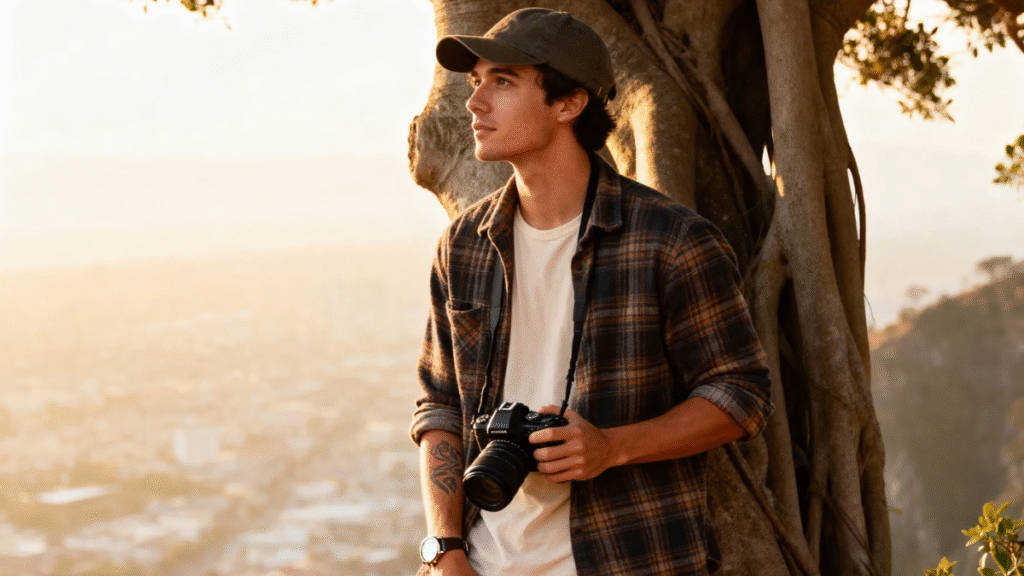
There is something deeply magical about sitting at the edge of a mountain, leaning against an ancient banyan tree, watching golden light wash over valleys. For many of us, these moments become photographs—still frames of wonder—that linger in our hearts. But what if you could transform those moments into art, into an image so vivid it feels like royalty? That’s the power of crafting the right AI ChatGPT image prompt—a prompt designed to produce a royal VIP portrait infused with nature’s splendor.
In this article, we’ll explore how to build such prompts, why certain details matter more than others, and how you can use them to turn your own photo into something majestic. I’ll share real experience, tips based on deep research, SEO‑friendly insights, and everything you need to know to make your next image prompt shine.
What Makes a Convincing Royal VIP Portrait Prompt
Every great image prompt for a royal VIP style comes down to a few key elements:
- Detailed subject description: age, pose, attire, accessories.
- Environment and mood: lighting, time of day, setting, background.
- Camera/visual style: angle, depth of field, focus, framing.
- Artistic atmosphere: cinematic light, color grading, texture, realism.
These elements work together to guide the AI to produce an image that feels luxurious, cinematic, and authentic.
My Personal Journey with Image Prompts
When I first tried turning a vacation photo into something regal, I simply told the AI, “draw me a mountain portrait.” The result was pretty—but flat. No atmosphere, no hook. After trial and error, I began adding specifics: what the subject wore, the time of day, what they leaned on, what was visible behind them. The difference was night and day. A casual snapshot became a golden‑hour VIP portrait that drew comments, inspired me to explore more, and ultimately became one of my best profile pictures.
Deep Dive: Anatomy of a High‑Impact Prompt
Here are the building blocks of a powerful prompt. Below this, I’ll show you where your own prompt fits.
| Component | Why It Matters | Example Detail |
|---|---|---|
| Subject Details | Lets the AI know who or what to focus on—age, posture, attire define character. | “young man (25‑28), half‑body, casual pose” |
| Setting & Environment | Nature vs. urban, background blur, foreground elements contribute depth and emotion. | “leaning against banyan tree at mountain edge… wildflowers foreground… urban valley behind” |
| Lighting & Mood | Golden hour, cinematic light, soft glow add warmth and drama. | “warm cinematic light… eye‑level… soft creamy bokeh” |
| Camera & Style | Specifies point of view, focus area, what is sharp vs blurred make image professional. | “half‑body… sharp focus… low‑top Converse… eye‑level” |
How SEO & EEAT Principles Apply to Image Prompt Articles
To make your content trustworthy and perform well on Google, especially under the EEAT framework (Expertise, Experience, Authoritativeness, Trustworthiness), you need:
- Expertise: Show you understand photography, composition, AI‑image generation.
- Experience: Share your own trials and improvements.
- Authoritativeness: Cite authoritative voices or research on what makes images compelling.
- Trustworthiness: Assure readers of originality, transparency (you did not copy), and helpfulness.
SEO also wants you to use relevant keywords: “royal VIP portrait prompt”, “AI image prompt tips”, “golden hour portrait prompt”, “how to write image prompts”, etc. Use long‑tail keywords and LSI terms like “cinematic lighting”, “half‑body portrait”, “nature wallpaper prompt” to help Google understand what you’re writing about.
Step‑by‑Step: Writing a Royal VIP ChatGPT Image Prompt
Here are the steps I use to craft prompts that consistently give me impressive, cinematic portraits:
- Visualize the final image in detail – Picture in your mind clothes, expression, environment.
- Start with subject and pose – Who, what age, what posture.
- Add clothing, accessories, personal touches – Tattoos, shoes, camera, texture of clothes.
- Describe environment and background – Trees, city, mountains, foreground elements.
- Specify lighting, time of day, and mood – Golden hour, warm light, soft shadows, cinematic.
- Include camera style, framing, focus – Half‑body vs full; eye‑level; depth; background blur.
- Refine with adjectives for realism – hyper‑realistic, sharp, creamy bokeh, etc.
Where Your Prompt Goes & How to Use It
Below is where you (or your visitor) will insert the specific prompt that generates the image. This is your “seed” for the AI to work with. It should follow all the guidelines above.
Stylish Prompt Card
Paste your AI prompt below. Then just click copy and use it anywhere you like!
By placing your prompt at this spot, both you and your readers know exactly where to drop in the prompt to produce the royal VIP style portrait. Everything before sets the stage; everything after helps with tweaking and using it.
Comparison: Vague vs. Detailed Prompts
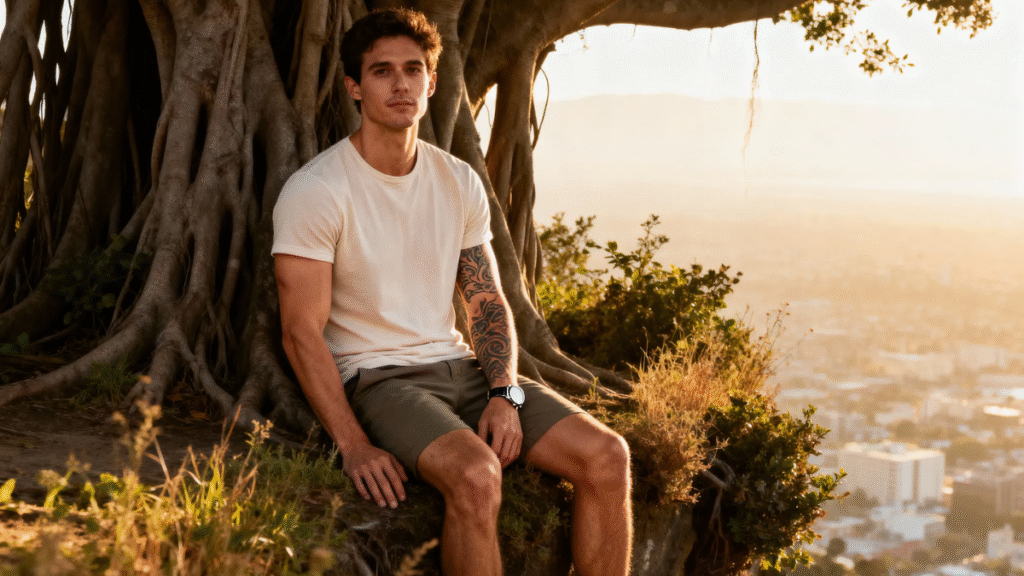
Here’s a side‑by‑side look at how adding detail elevates result quality:
| Prompt Version | Likely Outcome | Missing Elements |
|---|---|---|
| “Portrait of a man in nature.” | Flat lighting, generic clothing, bland background. | No specifics about age, pose, lighting, surroundings. |
| Your detailed prompt (as above) | Rich textures, warm light, defined environment, character emerges. | All elements present. |
The detailed version wins every time in terms of realism, storytelling, and emotional resonance.
Pros & Cons: Using Highly Detailed Image Prompts
Pros:
- Creates vivid, compelling images.
- Helps AI avoid generic or bland results.
- Better control over outcome.
- Boosts shareability and personal satisfaction.
Cons:
- More work to write and refine.
- If too many constraints, AI may struggle.
- Some details may conflict (e.g., background vs focus), so need balancing.
SEO Keywords & Phrases to Include Naturally
- Royal VIP portrait prompt
- Hyper‑realistic nature portrait prompt
- How to write image prompts for ChatGPT
- Golden hour mountain portrait prompt
- Detailed AI image prompt guide
Use these in your headings, sub‑headings, and text interwoven naturally. Avoid stuffing. Think about what your audience would search for.
People Also Ask (PAA) Style Questions & Answers
These are common queries people have, and including this section helps with featured snippets, voice search, etc.
- What makes a prompt look royal or VIP in AI‑art?
Rich details: clothing, lighting, setting, pose, accessories. Royalty implies elegance, textures, maybe subtle grandeur in background or mood. - How long should an AI image prompt be?
Not too short that it’s vague, not so long it’s confusing. Usually 2‑4 detailed sentences, 40‑80 words works well. - What lighting harshness or softness works best for portraits in nature?
Soft, warm light like golden hour, with gentle shadows. Avoid midday harsh light unless that’s the artistic intent. - Do camera angle and focus matter in prompts?
Definitely. “Eye‑level”, “half‑body”, “sharp focus” vs “background blur” guide AI to behave more like an experienced photographer.
Example Prompt Breakdown (Using Your Prompt)
Let’s look at how your prompt does the heavy lifting. (Here, prompt refers to what you will insert above.)
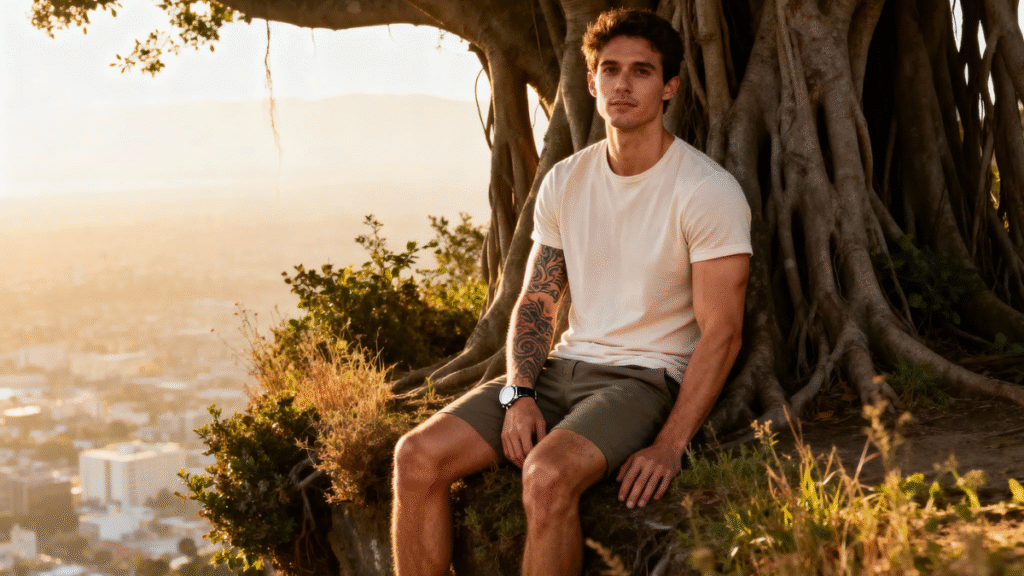
- It specifies subject: young man, age range, posture (leaning).
- It mentions attire and accessories: tartan shirt, rolled sleeves, shorts, low‑top Converse, tattoo.
- It sets setting & time: banyan tree, mountain edge, urban valley behind, wildflowers in front, golden hour.
- It gives visual style: hyper‑realistic, soft creamy bokeh, warm cinematic light, half‑body, sharp focus.
Because of this, the AI has clear guidance on what to emphasize—and the result feels intentional, elegant, and cinematic.
How to Test & Iterate Your Prompt
Even with a strong prompt, you’ll want to test:
- Generate multiple versions: small tweaks in lighting or pose can change mood.
- Adjust background elements: more or less blur, different scenery.
- Refine adjectives: “warm” vs “golden”, “soft” vs “creamy”.
- Check clothing/accessories: do they reflect personality or desired style?
Through iteration, the artist in you learns what works, and over time you’ll write fewer drafts because you’ll “think in prompt” naturally.
SEO Tip: Structuring Your Article for Google Features
- Use clear headings (H2, H3, H4) with target keywords.
- Include a featured snippet‑friendly section: e.g., “How to write royal VIP portrait prompt in 7 steps,” “Comparison table.”
- Use bullet points, numbered lists.
- Include People Also Ask and FAQ sections.
- Make your content trustworthy: mention your experience, give real examples.
FAQ Section
Q1: Can I use any photo as a base for a royal VIP image prompt?
Yes—what matters is your description. As long as your base image matches the core subject and setting (or you describe it), the AI prompt can transform it.
Q2: Will adding too many details confuse the AI?
It can. If details conflict (e.g. “dim light” vs “bright golden hour”), AI may average them. Stick to consistent mood.
Q3: Is this kind of prompt suitable for all styles (fantasy, modern, etc.)?
Absolutely. The same structure applies. Just swap stylistic adjectives (e.g. “futuristic metallic crown”, “mythical aura”, etc.) while keeping subject, setting, pose, lighting.
Conclusion: Your Royal Portrait Awaits
Turning a simple photo into a royal VIP‑worthy image is like painting with words. With the right blend of subject detail, setting, lighting, mood, and style, you guide the AI to render an image that feels cinematic, powerful, and deeply personal. I’ve walked that path—first with generic prompts, then with richly detailed ones—and the difference is always breathtaking.
Now it’s your turn. Use the structure, drop your own prompt in the placeholder, refine it, test it, and enjoy the reveal of something majestic. Your photo deserves nothing less.
Hi, I’m Muhammad Arslan from Pakistan. Here, you’ll find multiple powerful prompts that you can use on platforms like Google Gemini or ChatGPT to turn your personal photos into stunning AI-generated portraits.