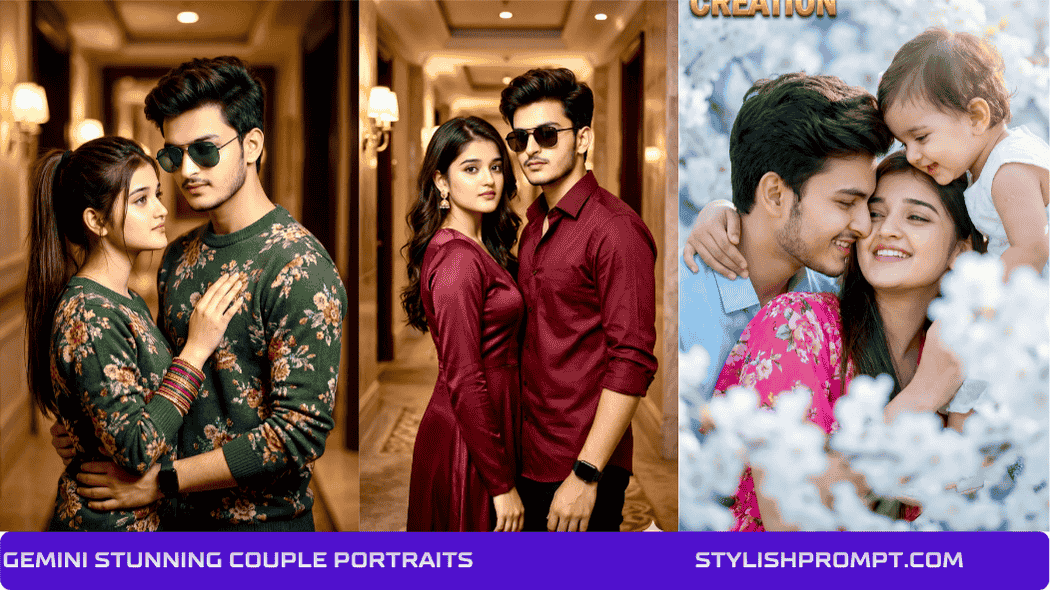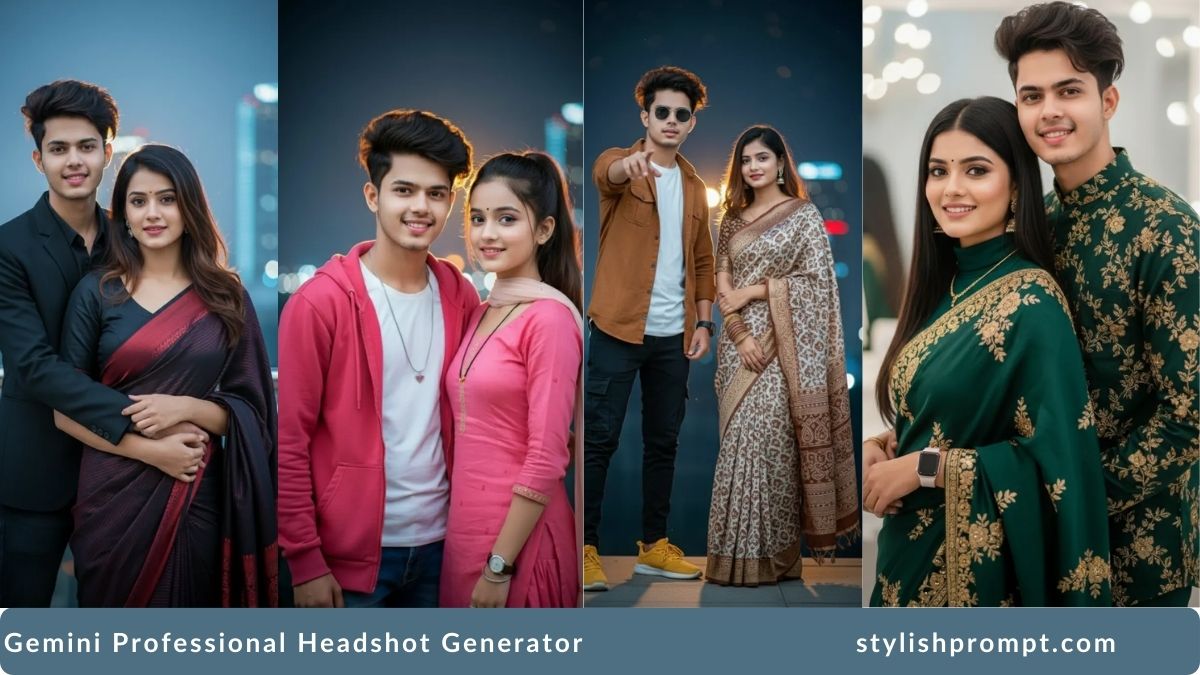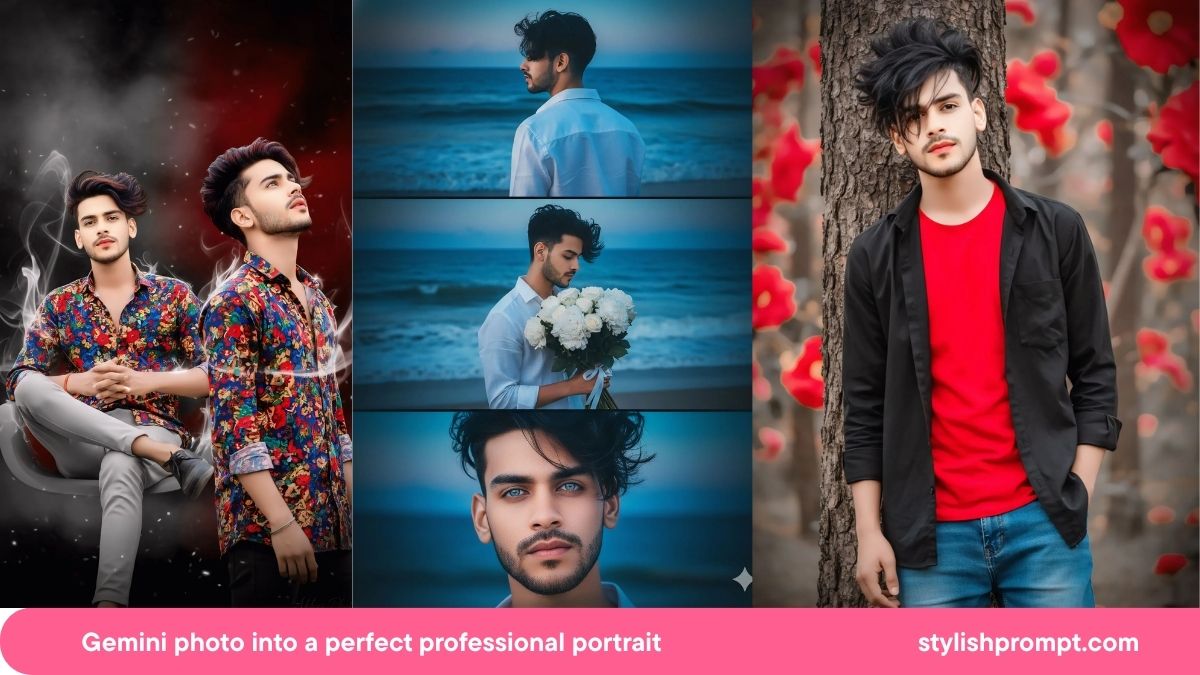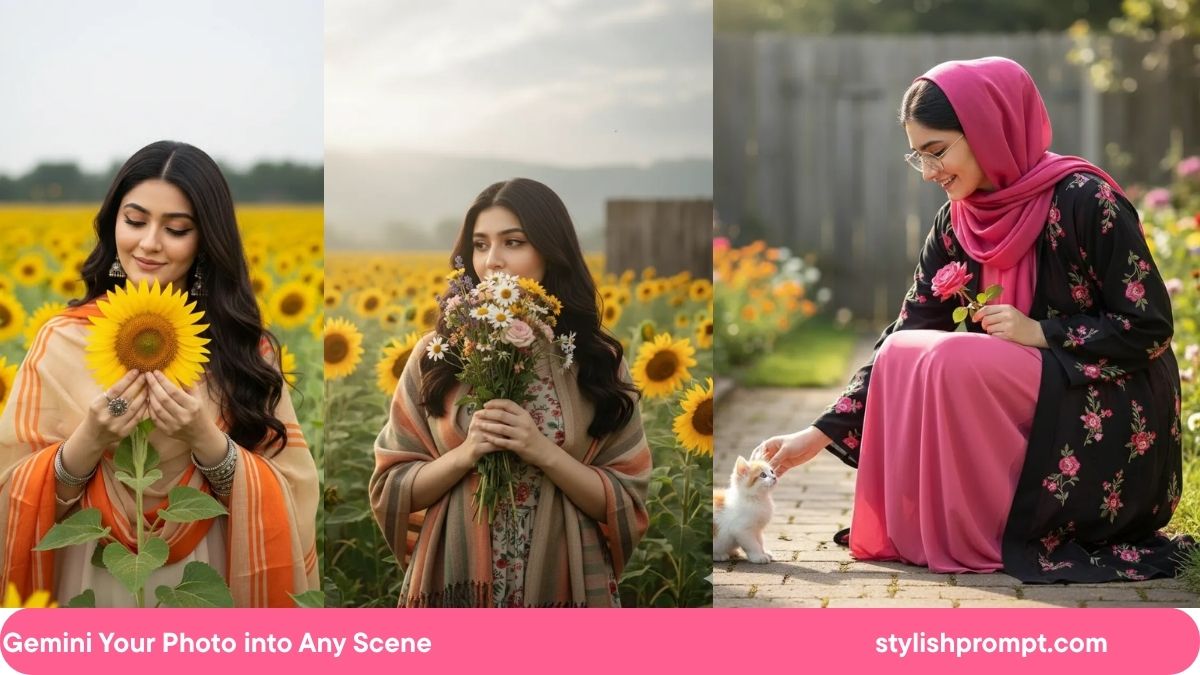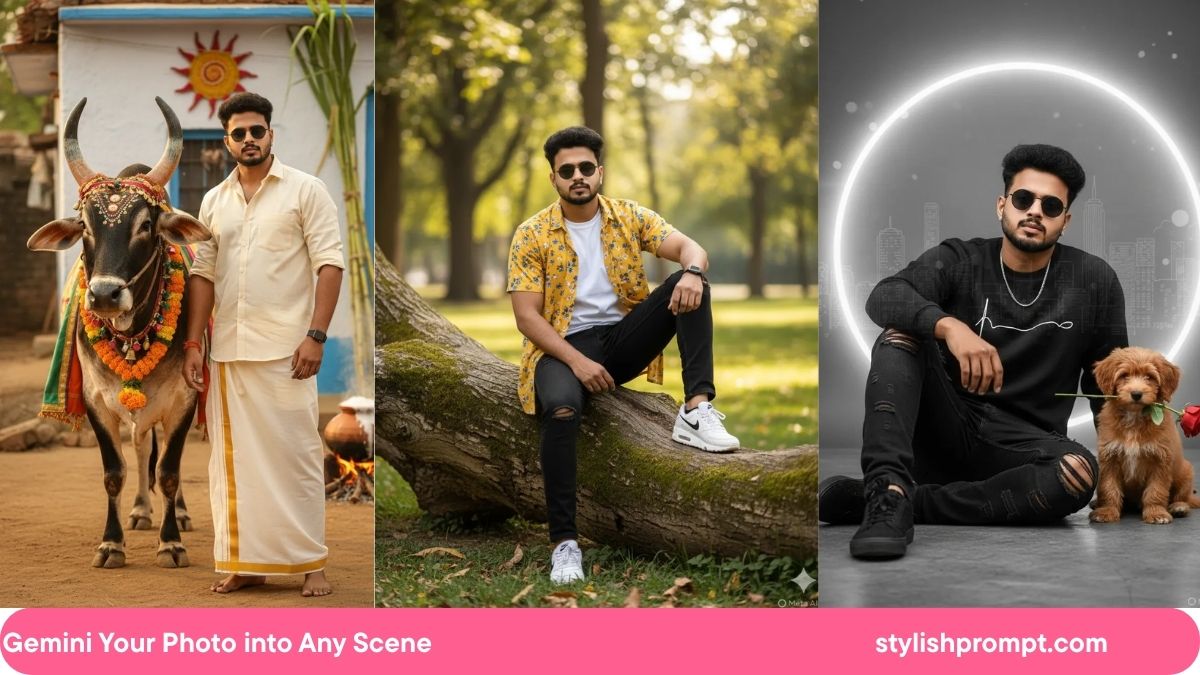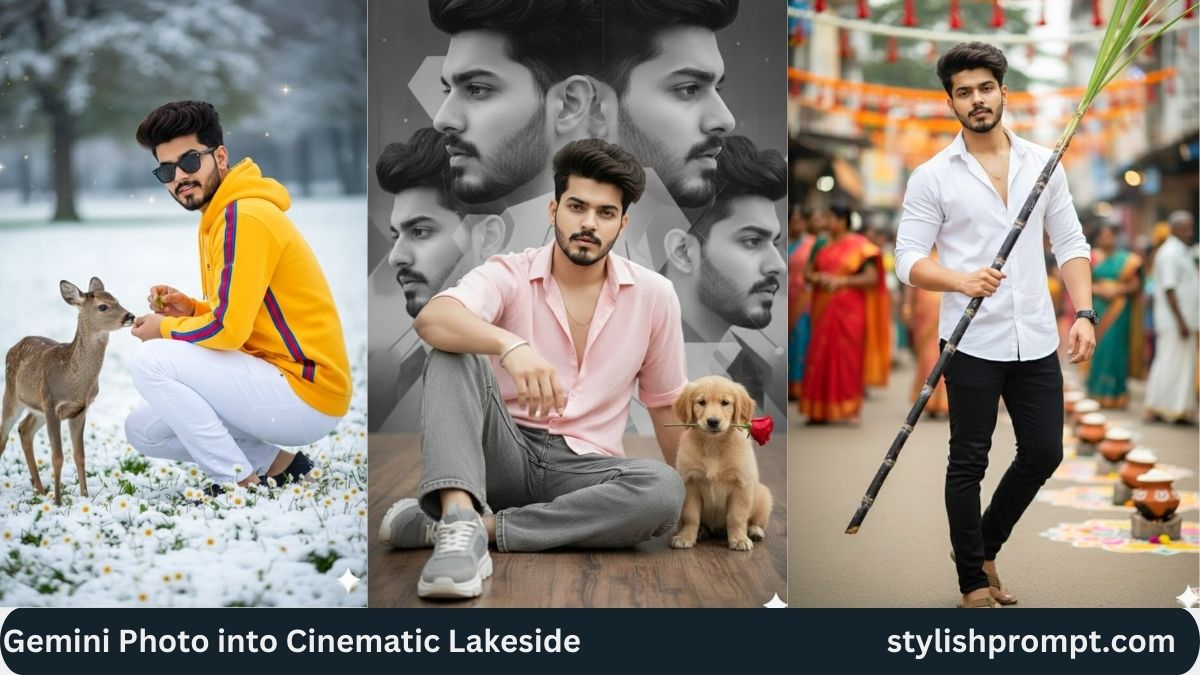
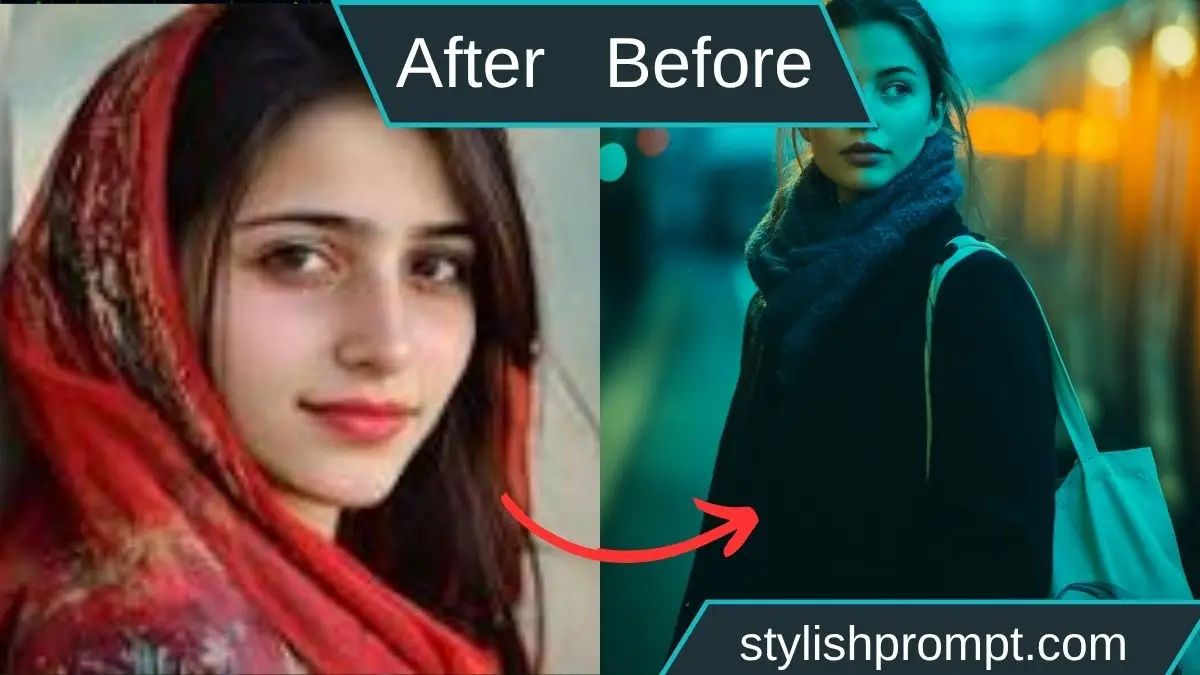
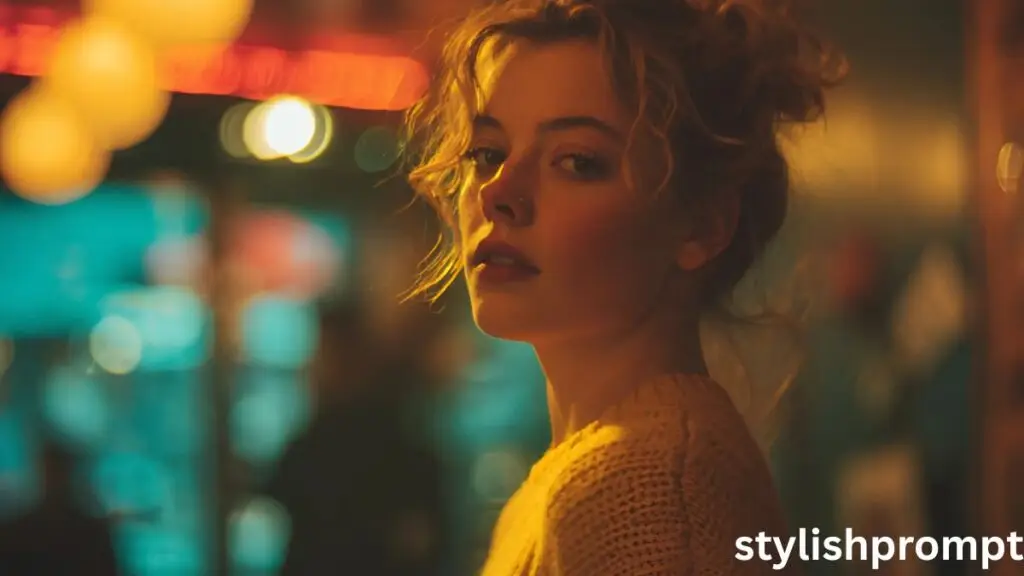
In the hush of twilight, when the neon signs flicker and the train station breathes with a life of its own, there is something electric about watching someone stand still amid motion. This article explores how you can turn your photograph into a Royal VIP visual—an image that feels cinematic, emotional, and richly textured. I’ll guide you through the creative process, SEO best‐practices, and how this style reflects my own journey with street photography.
Why this cinematic street style captivates people
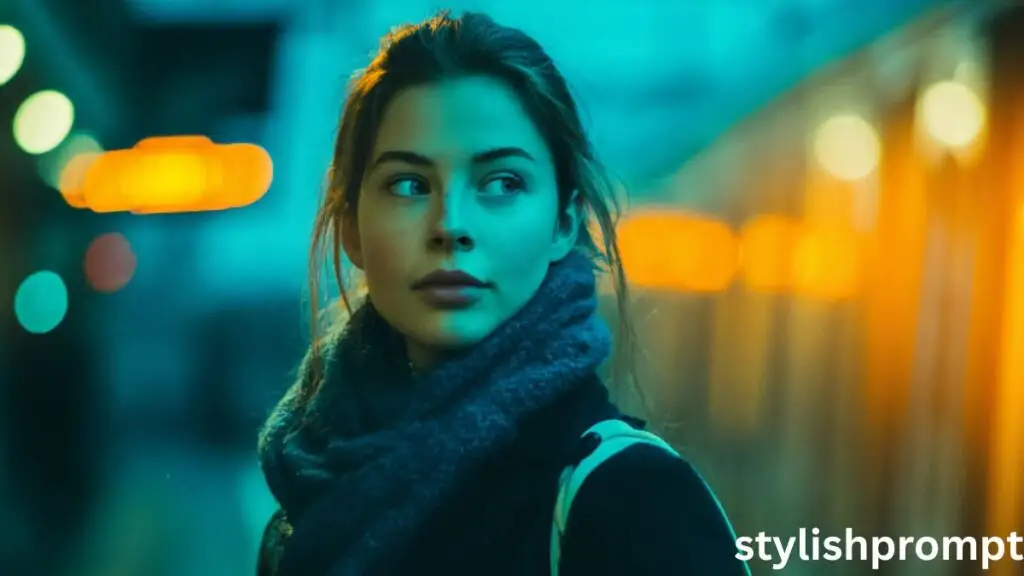
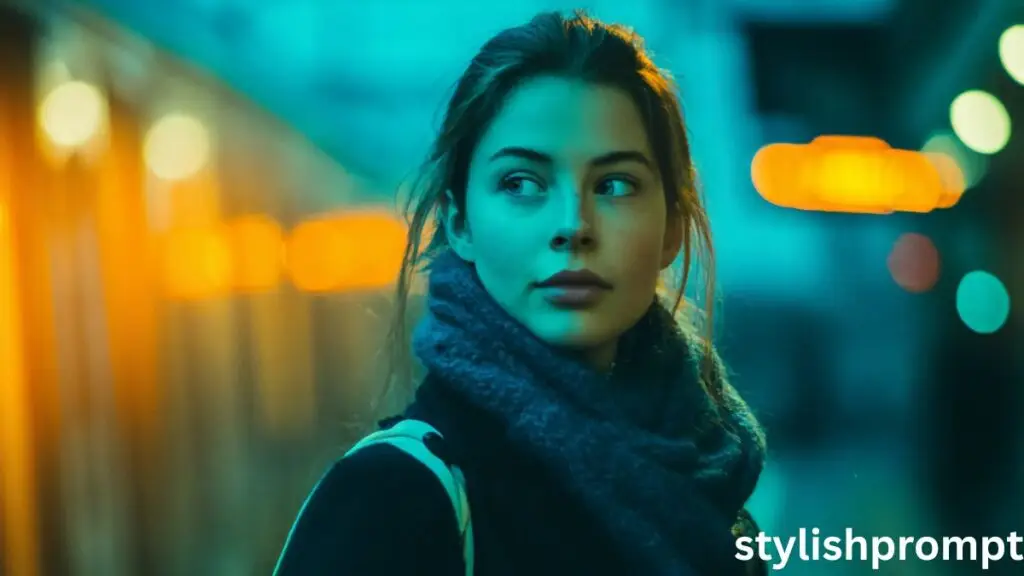
Every now and then, I stroll through quiet train stations late at night, camera in hand. There’s magic in those raw, dimly lit corners, where light dances with shadows and people become stories. Capturing a young woman in a dark overcoat with a blue scarf, surrounded by soft bokeh lights, became a turning point for me. It taught me that beauty isn’t always in the bright or the perfect—it’s in moments that feel vulnerable yet powerful.
The essence of Royal VIP image transformation
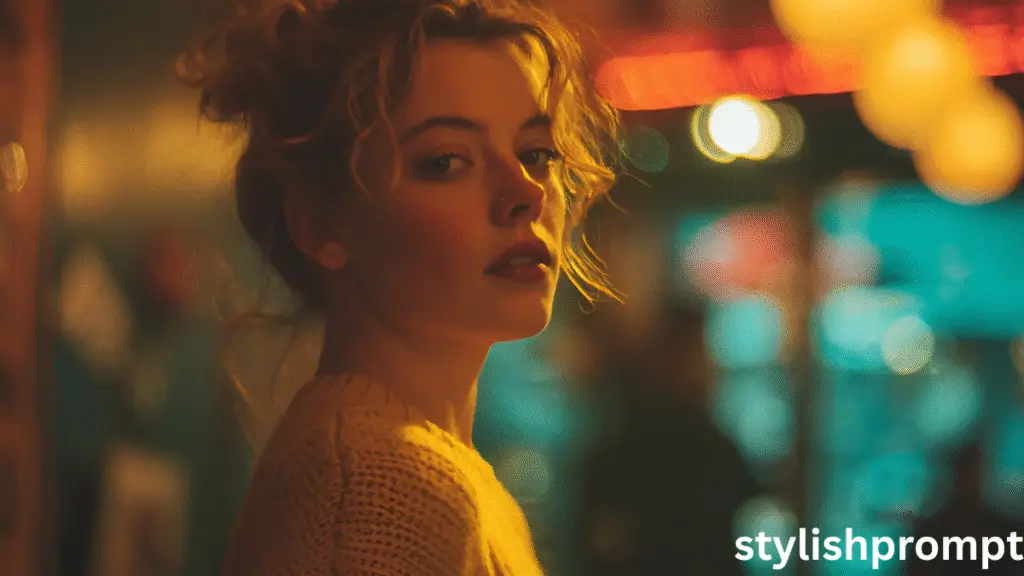
Transforming a regular photo into something that feels “Royal VIP” means emphasizing mood, color, lighting, and story.
- Deep contrast between subject and background
- Moody color grading (teal, orange, or other cinematic palettes)
- Intentional composition, with soft bokeh or blurred lights to create depth
- A subject who isn’t posing—caught candidly, as if unaware yet fully present
How to prepare your photo for cinematic transformation
- Choose the right photo — low or mixed lighting, strong subject separation.
- Focus on authentic expression — candid moments speak louder than poses.
- Check your setting — train station, city street, neon lights, ambient movement.
- Ensure good resolution — you want enough detail so that the final image doesn’t look soft.
Where to use this visual style
- Album covers or music visuals — adds drama and personality.
- Fashion/editorial shoots — gives garments and accessories a cinematic texture.
- Social media branding — helps portraits stand out in feeds full of daylight and high saturation.
- Personal portfolios — shows your face, your moment, your raw self.
My own experiment: from street snapshot to VIP portrait
One winter night, I photographed a young commuter waiting on platform 3. She wore a dark overcoat, blue scarf, was holding a tote bag with an astronaut print. The station was buzzing, but the lights behind her were soft, glowing. I later took that raw snapshot and applied a teal‑and‑orange tone, deep contrast, emphasized the bokeh lights, and let texture (coat fabric, scarf folds) show. What emerged felt regal, moody, cinematic—far beyond what the original phone snapshot promised.
Stylish Prompt Card
Paste your AI prompt below. Then just click copy and use it anywhere you like!
Comparison: Typical photo vs Royal VIP style
| Feature | Typical photo | Royal VIP style |
|---|---|---|
| Lighting | Even daylight or standard indoor lighting | Low light, mixed lighting, neon or soft directional light |
| Color grading | Natural or mild corrections | High contrast, stylized palette (teal & orange, muted shadows) |
| Expression | Posed or unaware but similar clarity | Candid, spontaneous, full of emotion |
| Background | Clear, possibly distracting | Soft bokeh, blurred crowd or lights for depth |
Pros & cons of this visual aesthetic
Pros
- Dramatic emotional impact
- Unique, eye‑catching aesthetic on social media
- Makes ordinary scenes feel extraordinary
Cons
- Requires controlled editing or strong model capabilities
- Not every photo works—light, subject, composition all must align
- Can feel over‑styled if pushed too far
Technical tips: editing & tools
- Use photo editors that support custom curves, color profiles, and depth blur.
- Shoot RAW if possible—retains detail for editing.
- Use masking or gradient tools to isolate subject/foreground from background.
- Adjust exposure per channel (red, blue, green) when grading to avoid color casting.
People Also Ask (PAA)
- What is cinematic street photography?
Cinematic street photography refers to images that feel like stills from a film—moody, composed, with dramatic lighting and emotional content. - How do I get soft bokeh in background?
Use a lens with wide aperture (low f‑number) or a model/editor that simulates depth of field, placing lights or light sources behind the subject. - Why use teal and orange color grading?
Because they are complementary tones that create punchy contrast—orange warms the skin and teal tones cool the shadows for dramatic effect. - Does candid moment matter more than posing?
Usually yes—candid moments tend to feel authentic and emotionally resonant, which supports the VIP, cinematic style.
FAQs
- Can I apply this style to photos taken during daytime?
Yes—you’d need to simulate low light or reduce brightness, introduce shadows, and apply mood‑driven grading. The look comes from contrast and atmosphere more than actual darkness. - What software or AI tools are best for creating this image style?
Programs like Lightroom, Photoshop, and AI models that allow custom prompt input and image uploads tend to work well. The key is control over color, lighting, and depth. - Will this style work for group photos or only single subjects?
It can work for groups, but focus tends to dilute. For maximum impact, keep one primary subject with strong expression, others faded or blurred in background. - What file formats or resolutions are ideal?
Use high resolution (e.g., 3000px or more long dimension), and save in .PNG or high‑quality .JPEG. If using RAW or TIFF, even better for editing.
Final thoughts
I’ve walked you through the vision, the tools, the stories, and the pitfalls of transforming a simple street photo into something cinematic, regal, and emotionally rich. When I first tried this style, I didn’t believe a nighttime snapshot could feel like a VIP portrait—but with intentional light, color, and vulnerability, it did.
Hi, I’m Muhammad Arslan from Pakistan. Here, you’ll find multiple powerful prompts that you can use on platforms like Google Gemini or ChatGPT to turn your personal photos into stunning AI-generated portraits.